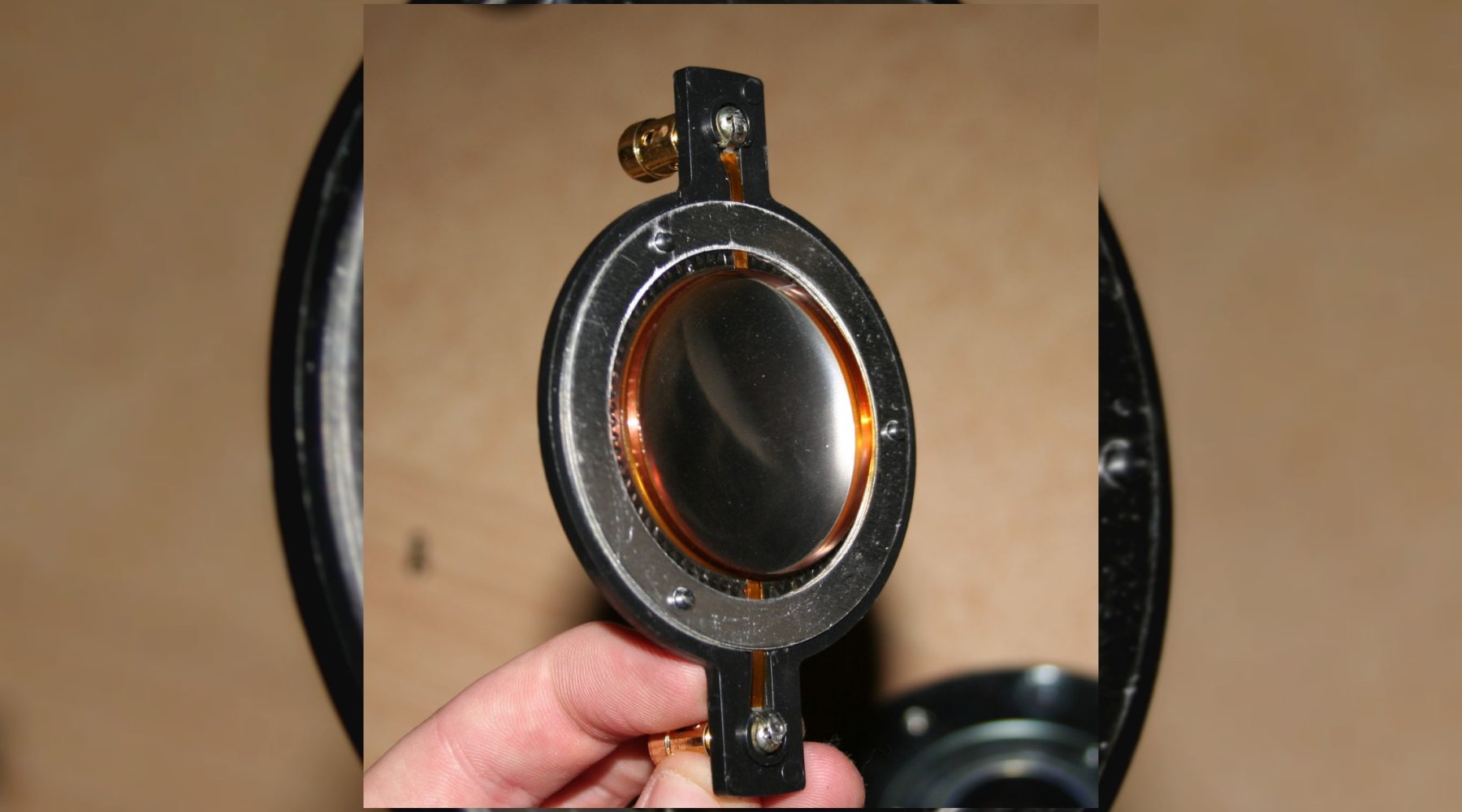
Every driver that ships in a Wavelength product — from the 6mm tweeter in the Buds Pro to the 5.1.2 array in the Soundbar — passes through the same tuning process in our listening lab before it’s approved for production. We start from a single in-house reference curve, not a licensed off-the-shelf module tuned by a component vendor for a generic customer.
A new driver design goes through several rounds of frequency-response measurement in an anechoic chamber, followed by blind listening panels comparing it against the reference curve across a mixed library spanning acoustic recordings, dense modern mixes, and dialogue-heavy content. Adjustments to the acoustic chamber behind the driver, the port geometry, or the crossover point in dual-driver designs are made and re-measured until the response holds within our target tolerance across the full range, not just at the frequencies that look good on a spec sheet.
The frequency-response visualizer on every product page runs the same kind of sweep test used in that lab — a real oscillator tone swept from 20Hz to 20kHz, captured live through your device’s microphone if you enable it, plotted against the SKU’s actual spec’d range so you can see how a real sweep compares to what we publish.