Active noise cancelling ratings like “-42dB” describe how much a product reduces a specific test tone or noise band under lab conditions — typically low-frequency content like airplane cabin drone or HVAC hum, the frequencies ANC circuitry is best at cancelling. It is not a claim that all sound drops by that amount; higher-frequency content like speech and clinking dishes is affected far less, by design, since cancelling those frequencies well enough to matter also tends to distort the audio you’re trying to hear.
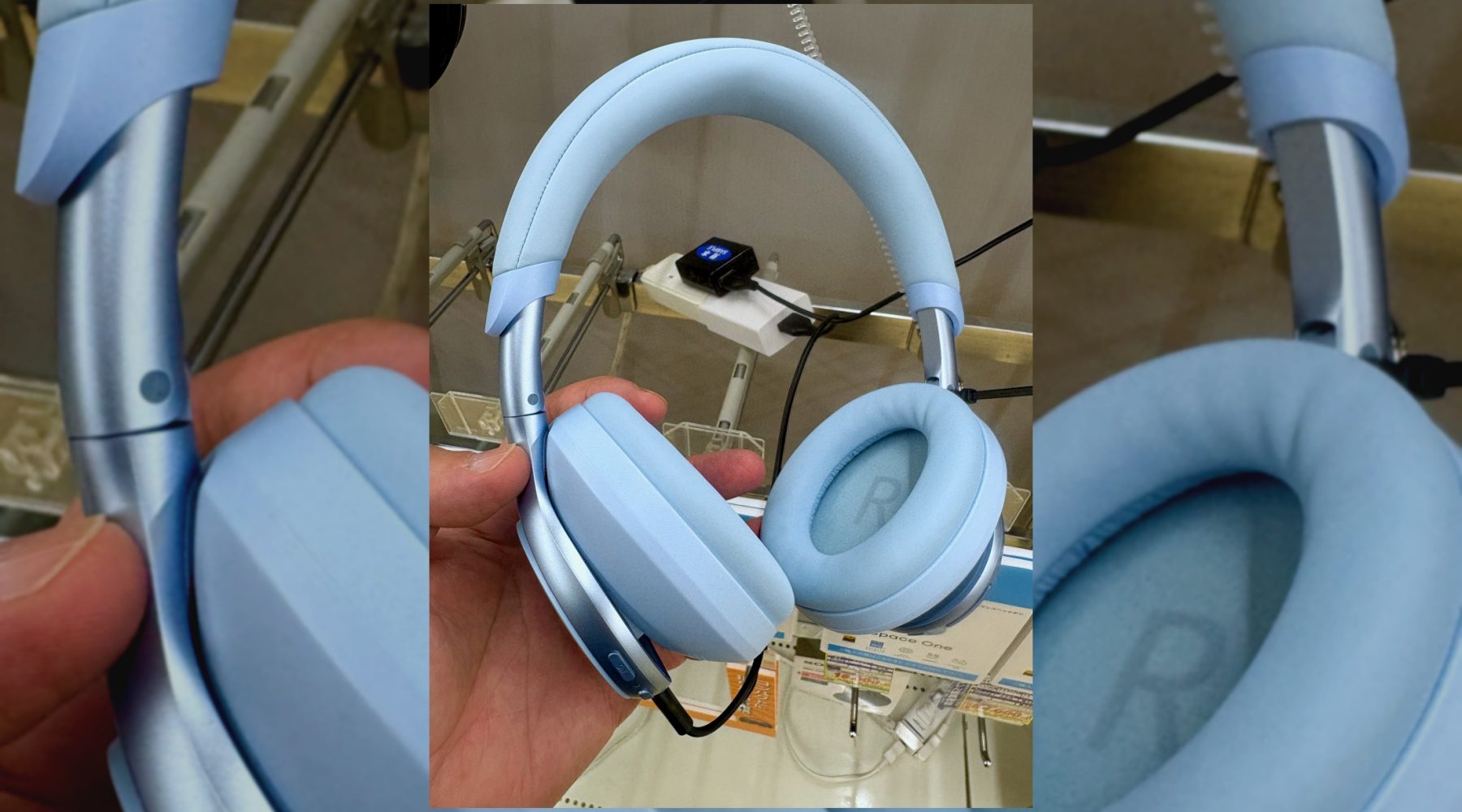
Our ANC rating varies by product because the acoustic seal — how completely a cushion or ear tip blocks the ear canal — sets a hard ceiling on how much any electronic cancellation can add on top. The Buds’ silicone tips seal well but not as completely as the Over-Ear ANC’s memory-foam cushions, which is the main reason the flagship reaches -45dB against the Buds’ -35dB rather than a difference in the cancellation circuitry itself.
Transparency mode, available on the Over-Ear ANC, runs the opposite process: microphones sample outside sound and mix a processed version back into your audio, so you can hear announcements or a conversation without removing the headphones.